
A wedding is made up of countless beautiful moments, but the varmala ceremony holds a special place in every Indian celebration. It is the moment when the bride and groom exchange floral garlands, symbolising their acceptance of one another and the beginning of their journey together.
Traditionally, wedding varmalas were made using fresh flowers, but modern couples are exploring beautiful combinations of roses, mogra, orchids, baby's breath and other delicate blooms. From minimal white floral garlands to colourful statement designs, today's varmala designs offer something for every wedding style.
Planning your wedding in 2027? Whether you love a traditional floral jaimala, a lightweight design or an elaborate statement varmala, we have curated 15+ beautiful varmala ideas to inspire your special day.
Let's explore the trending varmala designs for 2027 weddings.
1. Mogra and Baby's Breath Varmala

Inspired by the elegant floral garlands worn by Ranbir Kapoor and Alia Bhatt at their 2022 wedding, mogra and baby's breath combinations remain a beautiful reference for couples who love understated elegance.
The delicate white flowers create a soft, graceful appearance without overpowering the wedding outfits. Their subtle fragrance also makes mogra a lovely choice for the varmala ceremony.
Best for: Minimalist weddings, pastel outfits and intimate ceremonies.
2. Baby's Breath and Rose Varmala

If you love delicate floral arrangements, a baby's breath and rose varmala is a beautiful choice. Small white gypsophila flowers combined with pink or red roses create a lovely balance of softness and colour.
This design works particularly well when you want the varmala to complement rather than compete with your wedding attire.
Best for: Romantic weddings and pastel bridal outfits.
3. White Roses and Baby's Breath Varmala

White roses paired with baby's breath create an elegant and timeless floral combination. The fullness of the roses adds structure, while the delicate white fillers give the garland a soft and airy appearance.
You can also add subtle green foliage for a natural finish.
Best for: Classic weddings, ivory outfits and elegant ceremonies.
4. Rose and Pastel Hues Varmala

Pastel shades continue to be a beautiful choice for couples who prefer a softer wedding colour palette. Think blush pink, peach, lavender, powder blue and ivory flowers arranged in a delicate combination.
A pastel rose varmala can beautifully complement a light-coloured lehenga or an embroidered sherwani.
Best for: Pastel-themed weddings and romantic celebrations.
5. Thai Flower Varmala

Thai flowers are known for their delicate appearance and distinctive shapes. Their use in floral garlands can create a refined and slightly different look compared with traditional rose and mogra arrangements.
Combine them with white flowers or subtle greenery for an elegant design.
Best for: Contemporary weddings and couples looking for distinctive floral details.
6. Pink and White Combination Varmala

Pink and white make a beautiful combination for wedding garlands. From soft blush roses to deeper pink blooms, this colour pairing offers plenty of possibilities.
You can choose a predominantly white varmala with pink accents or a more colourful arrangement with alternating flowers.
Best for: Traditional and contemporary wedding outfits.
7. All-White Varmala

For couples who love simplicity, an all-white varmala is always a beautiful option. White roses, mogra, orchids and baby's breath can be combined to create different textures while keeping the overall appearance elegant.
A white floral garland looks especially lovely against colourful bridal lehengas and richly embroidered sherwanis.
Best for: Elegant, minimalist and luxury weddings.
8. Scented Mogra Varmala

Mogra, also known as jasmine, is one of the most loved flowers for traditional Indian wedding garlands. Its delicate white buds and naturally pleasant fragrance make it a meaningful choice for the varmala ceremony.
You can use mogra on its own or combine it with subtle green fillers for a fuller look.
Best for: Traditional Hindu weddings and couples who love fragrant flowers.
9. Full-Bloom Rose Varmala

Nothing makes a statement quite like a full-bloom rose varmala. Large roses arranged closely together create a rich and luxurious appearance.
You can choose red, pink, white, peach or a combination of different rose shades depending on your wedding outfits.
Best for: Grand wedding ceremonies and statement bridal looks.
10. Baby's Breath and Lilac Orchid Varmala

For a softer and more unusual colour combination, try pairing baby's breath with lilac orchids. The contrast between the delicate white flowers and the gentle purple tones creates a beautiful floral design.
This combination can add a subtle touch of colour without making the garland look too heavy.
Best for: Pastel weddings and contemporary floral styling.
11. Red Rose and White Mogra Varmala

A combination of traditional red roses and fragrant white mogra brings together two classic wedding flowers. The contrast makes the garland stand out while maintaining a traditional appearance.
It is a lovely choice for brides wearing red, maroon or other rich bridal colours.
Best for: Traditional Indian weddings and red bridal lehengas.
12. Orchid Varmala

Orchids are loved for their distinctive shapes and elegant appearance. Whether you choose white, purple, pink or a combination of shades, orchids can create a refined and contemporary varmala.
Pair them with delicate fillers or keep the arrangement simple to let the orchids stand out.
Best for: Luxury weddings, modern celebrations and destination weddings.
13. Pastel Carnation Varmala

Carnations are available in a variety of beautiful shades, making them a versatile option for wedding garlands. Soft pink, peach, white and lavender carnations can be arranged together for a fuller floral appearance.
They can also be paired with roses or baby's breath to add more texture.
Best for: Colour-coordinated weddings and pastel themes.
14. Red and White Rose Varmala

A red and white rose combination is a timeless option for couples who love traditional wedding colours. The contrast between the two shades creates a striking appearance and looks beautiful in wedding photographs.
You can alternate red and white roses or create a layered floral pattern.
Best for: Traditional bridal outfits and classic wedding ceremonies.
15. Multi-Coloured Floral Varmala

Why settle for one colour when you can celebrate with several? A multi-coloured varmala can combine pink, yellow, orange, white and red flowers to create a cheerful and vibrant appearance.
The design can be coordinated with the wedding decor, floral installations or the colours of the couple's outfits.
Best for: Colourful Indian weddings and vibrant celebrations.
16. Minimalist Lightweight Varmala

Not every couple prefers a large or elaborate floral garland. A lightweight varmala made with delicate flowers and minimal fillers can look just as beautiful.
Lightweight designs are especially practical when the couple wants to move comfortably during the ceremony and pose for photographs.
Best for: Intimate weddings, minimalist styling and comfortable ceremonies.
17. Long Statement Varmala
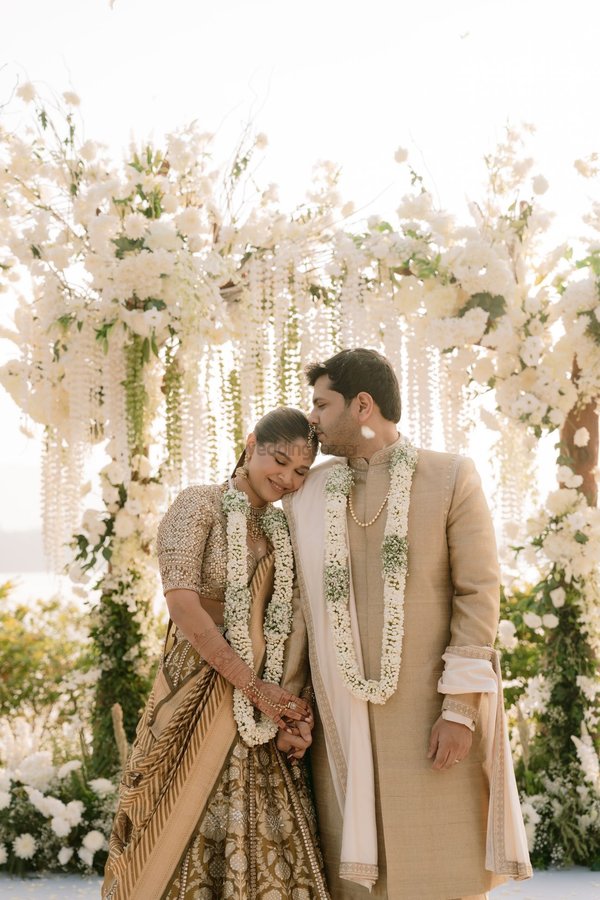
For couples who love a dramatic visual moment, a longer statement varmala can create a striking look. These designs can feature layered flowers, contrasting colours and carefully arranged floral details.
The proportions should be planned according to the couple's height, outfits and the overall ceremony styling.
Best for: Grand wedding entrances and statement ceremonies.
18. Personalised Varmala Designs

Personalisation is another way to make the varmala ceremony feel special. Couples can explore customised colour combinations, initials, meaningful flower choices or details that connect with their wedding theme.
A personalised varmala can become a memorable part of the wedding photographs and the couple's story.
Best for: Couples looking for meaningful and individual wedding details.
How to Choose the Perfect Varmala for Your Wedding
With so many beautiful varmala designs available, choosing the right one can feel overwhelming. Here are a few things to consider before finalising your wedding garlands.
1. Match Your Varmala with Your Wedding Outfit
Your varmala should complement the bride's lehenga and the groom's sherwani. For a red bridal lehenga, red and white roses or a white mogra combination can look beautiful. Pastel outfits work well with blush roses, baby's breath and soft-coloured orchids.
2. Choose Flowers According to the Wedding Season
Flower availability and freshness can vary depending on the season and location. Discuss suitable flowers with your florist and event planner well in advance.
3. Consider the Weight of the Varmala
A heavy floral garland may look elaborate, but it can become uncomfortable during the ceremony. Consider lightweight arrangements that are easy to wear and photograph beautifully.
4. Coordinate with Your Wedding Decor
Your varmala can complement the mandap, stage flowers, colour palette and overall wedding design. Coordinating these details creates a more cohesive visual experience.
5. Check Flower Freshness and Durability
Fresh flowers should be sourced and prepared close to the ceremony. Discuss storage, hydration and delivery timing with your florist, especially for outdoor or destination weddings.
6. Think About Photography
The varmala exchange is one of the most photographed wedding rituals. Choose a design that looks beautiful from different angles and stands out against the couple's outfits and ceremony backdrop.
Frequently Asked Questions About Varmala Designs
Which varmala design is trending for 2027 weddings?
Floral combinations such as mogra, roses, baby's breath and orchids offer beautiful options for 2027 weddings. Couples can explore minimalist, pastel, traditional and statement designs according to their wedding theme.
Which is the best varmala for a red lehenga?
White mogra, white roses, red and white rose combinations and pastel floral garlands can all complement a red bridal lehenga. The best choice depends on the outfit's embroidery, colour and overall styling.
Which flowers are best for a wedding varmala?
Roses, mogra, orchids, baby's breath, carnations and other seasonal flowers are popular options. Choose flowers based on availability, freshness, fragrance and the desired appearance.
Which varmala is best for a lightweight design?
Minimalist garlands made with mogra, baby's breath, delicate roses or selected lightweight flowers can be comfortable choices. Ask your florist to consider the total weight and length before finalising the design.
Can the bride and groom have different varmala designs?
Yes. The bride and groom can have complementary designs with different flower combinations or colours. Coordinating the overall palette helps the two garlands look beautiful together.
How early should we book our wedding varmala?
It is best to discuss your varmala design with your florist well before the wedding. Final flower selection and preparation timing should be confirmed according to flower availability, season and the wedding location.
What is the difference between varmala and jaimala?
Varmala and jaimala are commonly used names for the floral garlands exchanged by the bride and groom during a Hindu wedding ceremony. Regional traditions and terminology may vary.
Create Beautiful Wedding Moments with Shaandaar Events
The varmala ceremony is more than just an exchange of flowers. It is a beautiful moment that brings together tradition, emotions and the beginning of a new journey.
At Shaandaar Events, we believe every wedding detail should reflect the couple's personality and story. From floral concepts and mandap styling to luxury wedding decor and seamless event coordination, our team works to bring every celebration to life.
Whether you are planning a royal palace wedding, an intimate celebration or a destination wedding in India, let us help you create moments that stay with you forever.
Shaandaar Events – Crafting Extraordinary Wedding Experiences.


